
Copper Recycling Near Me: What to Bring and Expect
September 7, 2026
Who Recycles Scrap Lead Acid Batteries Near Me Today?
October 7, 2026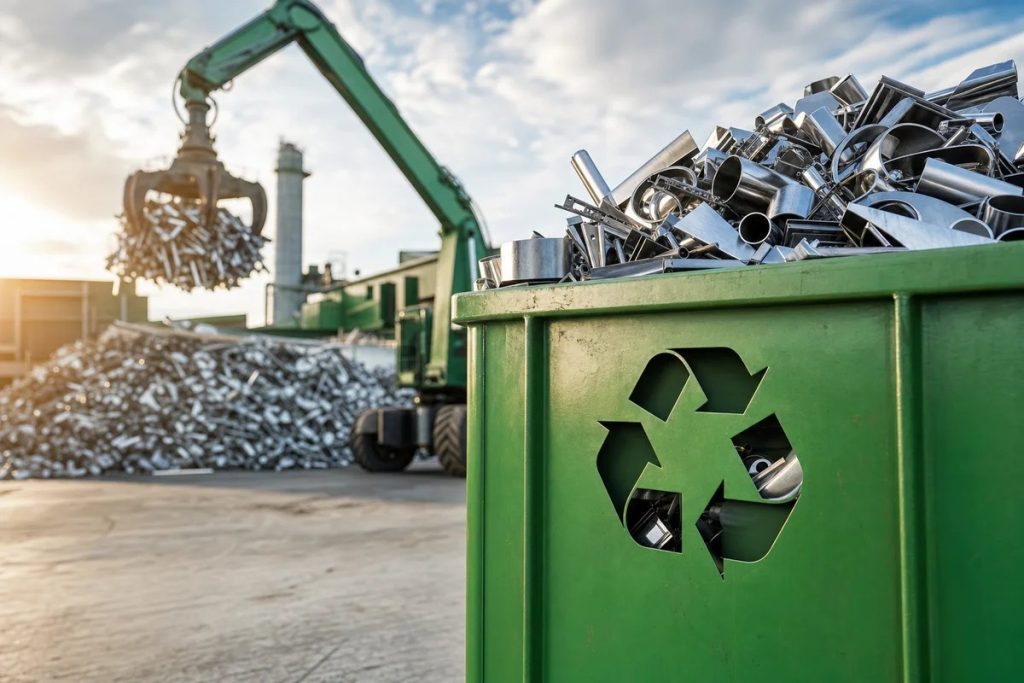
What metal recycling actually covers when you have scrap to move
Metal recycling is the collection, sorting, and resale of reusable metal instead of sending it to a landfill. In plain terms, you gather the scrap you already have, separate what the yard can process, and move it into a stream that can be melted, reused, or resold. The most common sources include broken appliances, plumbing pieces, siding, wire, and leftover construction scrap. In scrap metal recycling, yards usually separate ferrous metal from non-ferrous metal because those materials are handled and priced differently.
Which materials usually belong in a scrap metal recycling load
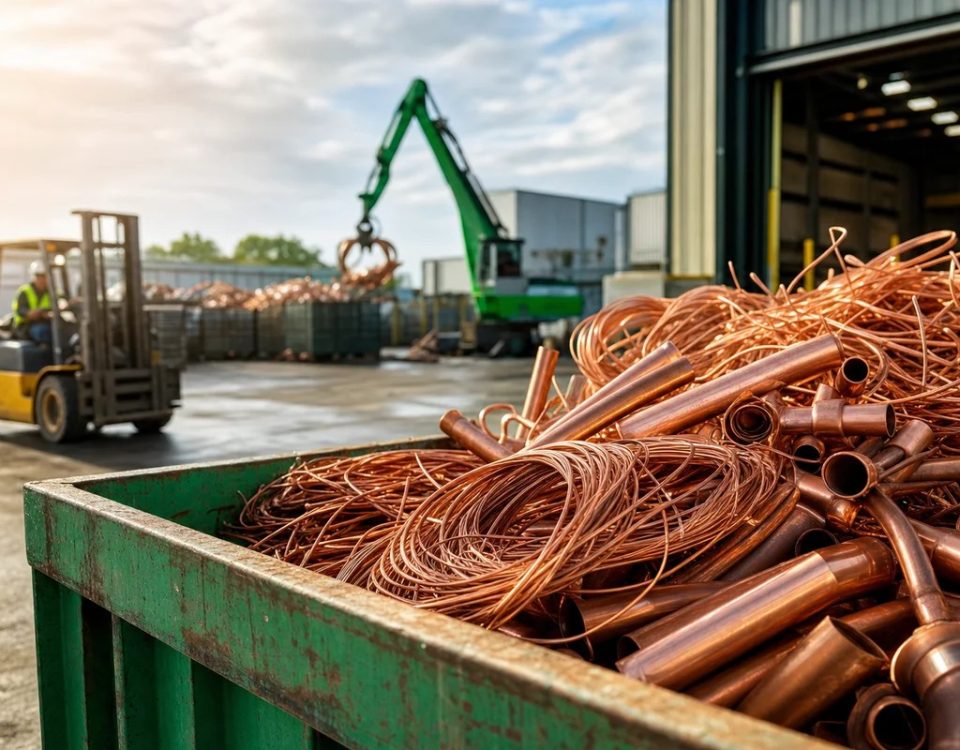
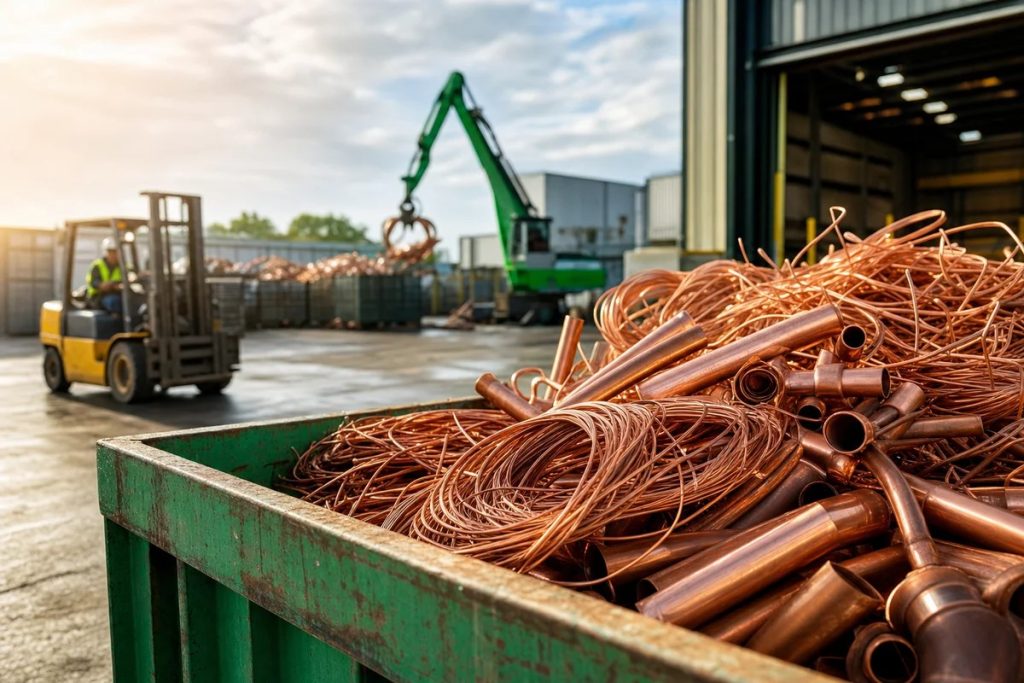
Steel, iron, aluminum, copper, and brass are the core metals most people bring in. That can mean an old sink, a torn-out handrail, jobsite wire, metal shelving, sheet metal offcuts, appliance parts, or a stack of fixtures from a remodel. The catch is contamination. Plastic attachments, mixed trash, fluids, insulation, paint, and other non-metal parts can change whether a yard will accept the load as-is.
Ferrous metal vs non-ferrous metal
The easiest way to sort a load is the magnet test. If a magnet sticks, you are usually dealing with steel or iron, like shelving, nails, or a frame from an old appliance. If it does not stick, you are probably looking at non-ferrous metal such as aluminum siding, copper wire, or brass fittings. Yards keep those streams separate because they are processed differently and the market treats them differently.
Appliances, fixtures, and odd-shaped scrap
People often bring refrigerators, stoves, sinks, fans, and metal shelving. Empty the item, unplug it, and check the yard rules before you haul something large. Attached non-metal parts, compressors, sealed systems, or other special components can change whether the item is accepted. A quick check at home saves you from unloading something that was never going to fit the rules.
How a metal recycling center handles the drop-off
A metal recycling center usually starts by directing you to the scale or unloading lane, then checks the load against its accepted-material rules. From there, the yard may ask you to separate metals, move certain items into different bins, or show ID for larger transactions. The ticket is usually tied to weight, material type, and whether the load is clean enough to process. At Clearfield Recycling’s recycling services, we keep that path simple so you know where to go before you pull out of the truck.
What happens at the scale
- Weigh in when you arrive.
- Unload where the yard directs you.
- Reweigh if the facility uses a before-and-after ticket.
- Review the receipt or ticket before you leave.
Watch for separate piles, posted instructions, and notes about mixed material. If the yard has a rule about appliances, batteries, or non-ferrous metal, it usually shows up right there at the scale. That is the easiest place to catch a problem before it turns into a wasted trip.
What a smooth visit looks like for customers
One customer described bringing in aluminum and other non-ferrous metals, plus steel items like refrigerators and stoves. The simple part of that visit was the same part that matters for everyone, the yard weighed the material and handled the drop-off without confusion. That is a straightforward model for a good metal recycling center visit, one where the load is accepted, weighed, and moved through without guesswork.
What changes the value in metal scrap recycling
Clean, sorted metal is easier to process than mixed or dirty scrap, so preparation matters. A separate pile of aluminum or stripped wire is easier to handle than a mixed bin full of plastic, wood, or insulation. In metal scrap recycling, steel, aluminum, copper, and brass are not treated the same because each one has its own processing path and demand. Market prices move, so the same load can be worth more or less depending on current demand and the grade of the material. What you can control is the condition of the load and how clearly it is sorted before you arrive.
Clean metal versus mixed metal
Clean metal means the yard can see what it is at a glance, like a separate pile of aluminum siding or stripped copper wire. Mixed metal has paint, wood, insulation, plastic, or trash still attached. Cleaner loads are easier to sort, and they are less likely to get slowed down at the yard. That is why a few minutes of prep can make the drop-off easier.
Why one load can be accepted and another turned away
A metal recycling center can reject a load for contamination, hazardous contents, sealed tanks, or too many non-metal attachments. A propane cylinder with residue, a fuel container with liquid inside, or a fridge packed with food are the kinds of examples that usually stop a drop-off. The rule is simple: if the yard cannot sort it safely, it will not take it as-is.
How to find a metal recycling center near me that fits the load
Start by checking the accepted-material list before you load the truck, especially if you have appliances, mixed scrap, or non-ferrous metal. Call ahead for large loads or odd items that may need special handling, and ask how the yard wants the metal separated. If you are comparing a metal recycling center near me, look for clear signs, posted rules, organized bins, and a scale process you can follow without asking three times. That is the kind of setup that saves time and keeps the visit predictable.
Questions to ask before you unload
- What metal is accepted today, and what has to be separated?
- Do you buy appliances, and do they need to be emptied first?
- What are the hours, ID rules, and unloading instructions?
- Do you handle non-ferrous metal in a separate bin or lane?
Ask those four questions before you leave home, and you will avoid most of the common surprises. The answers tell you whether your load is ready, whether the truck needs a different route, and whether you should sort a few items before you drive over.
Signs the yard is organized and clear
Visible instructions, separate bins, and a controlled scale area usually mean the yard expects first-time visitors and keeps the process moving. A clean layout matters because you can see where to go before you leave the cab. That is often the fastest way to tell whether a metal recycling center will be easy to use or a guessing game.
Questions people ask before they bring metal in
These are the questions that stop a truck from leaving the driveway. If you sort the load, check the yard rules, and know what gets separated, the drop-off feels a lot simpler.
Can I bring appliances to a scrap metal recycling yard?
Yes, many yards accept common appliances like refrigerators, stoves, washers, and dryers. Remove food, liquids, and anything the yard says cannot stay attached, then call ahead because appliance rules vary by yard.
Do I need to sort aluminum from steel before metal recycling?
Yes, sorting helps, and some yards require it before they will accept the load. A magnet is the fastest check: steel and iron stick, while aluminum does not.
Why would a metal recycling center reject my load?
A metal recycling center can reject a load for contamination, hazardous materials, sealed containers, or too much non-metal content. A fridge with food inside or a barrel with leftover liquid is the kind of load that usually gets stopped.
What should I check before choosing a metal recycling yard?
Look for clear rules, organized unloading, and a simple scale process, because those are the signs that the yard can handle your load without confusion. Posted accepted materials and easy-to-see instructions matter most when you are bringing in mixed scrap or appliances.
Bring the load in with a clear plan
If you have scrap ready to move, sort it by metal type, remove obvious contamination, and check the yard rules before you head out. If you want to talk through the load first, start with Clearfield Recycling contact us before you make the drive. A few minutes of prep usually turns metal recycling into a much easier trip.