
Who Recycles Scrap Lead Acid Batteries Near Me Today?
October 7, 2026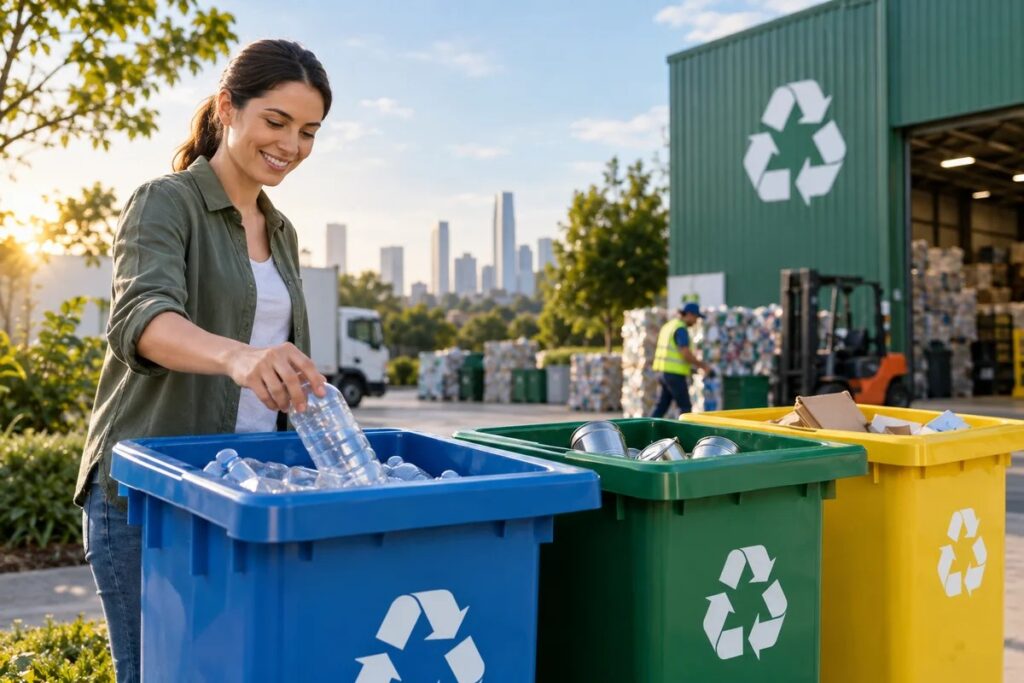
What to know before you search for recyclers close to me
When you search for recyclers close to me, the nearest address only helps if it accepts the exact material in your truck. A public drop-off, a scrap yard, and a specialty recycling facility all do different jobs, so material fit comes first. Before you drive, check hours, accepted items, and whether the site needs a call ahead, an appointment, or a weigh-in before unloading. A site that lists its process by category usually beats one that just says recycling and leaves you guessing. That matters most with mixed loads, because one wrong item can slow the whole visit. If you are local, contact us to confirm whether your load belongs here or at a different facility.
Which materials recycling centers near me actually take
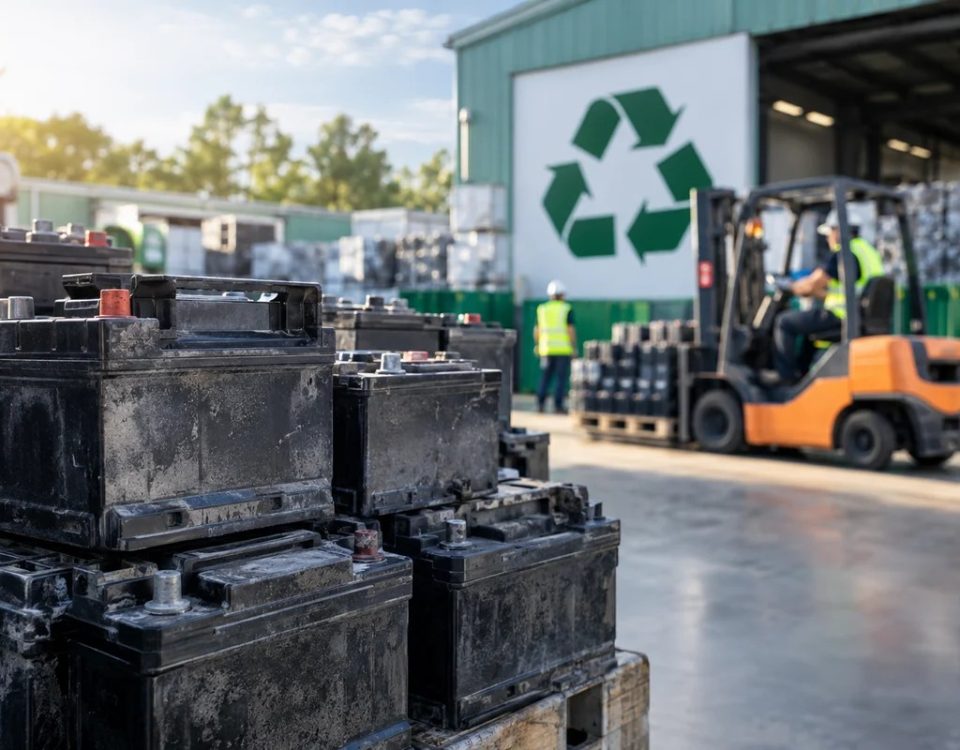
We get better results when we sort by material instead of by address. Recycling centers near me often accept only one category, while local recycling facilities may take mixed loads, commodity scrap, or a short list of free drop-off items. Some sites handle clean cardboard and cans, others focus on metal, and a few accept household items only if they meet strict prep rules. That matters because batteries, electronics, appliances, and hazardous materials often need separate handling or a specialty facility. A quick material check before you leave home tells you whether you need one stop or two, and whether the load belongs at a general recycler at all.
- Clean, common recyclables, such as cardboard, cans, and some paper, usually go to the broadest set of sites.
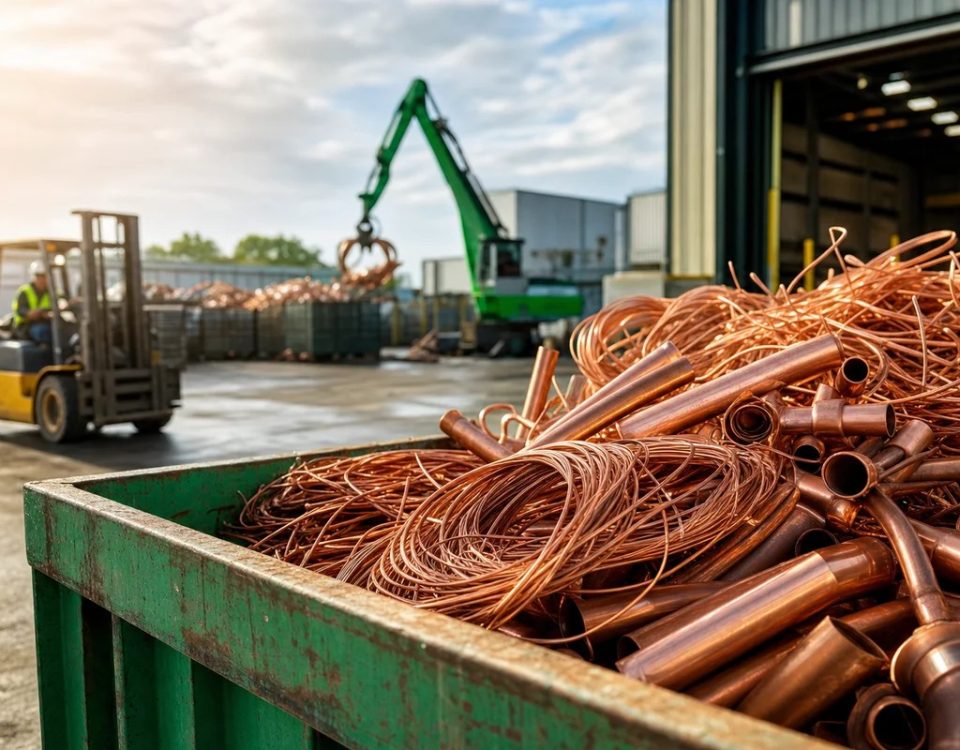
- Commodity scrap, like metal, wire, and certain appliance parts, may be accepted by yards that sort by weight.
- Special handling items, including batteries, electronics, appliances, and hazardous materials, often need a separate program or facility.
Scrap metal and appliances
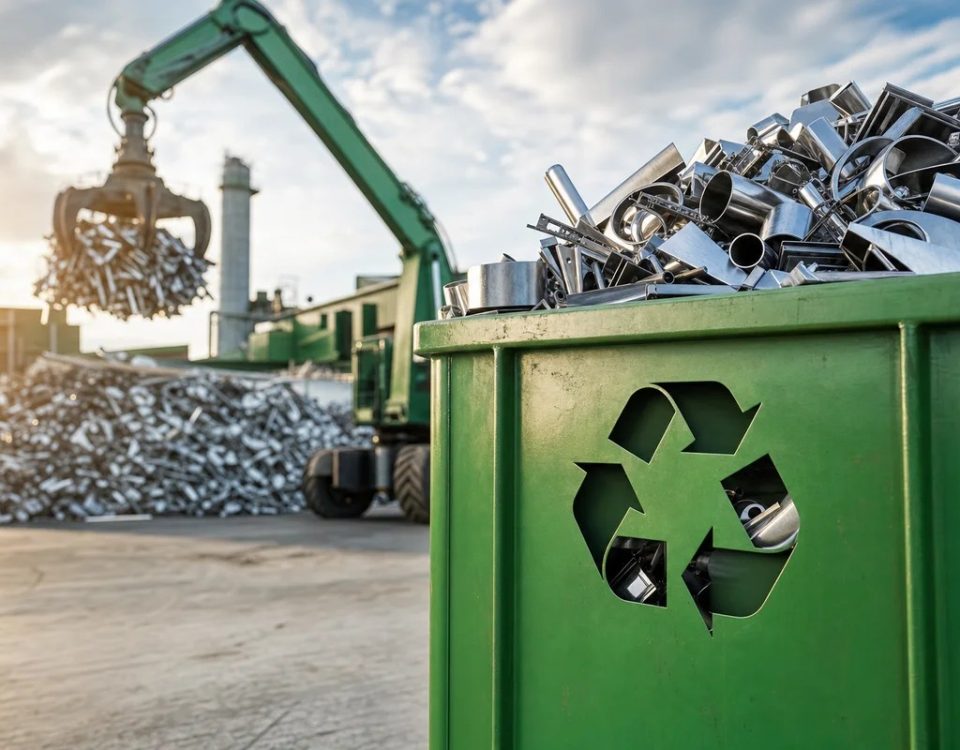
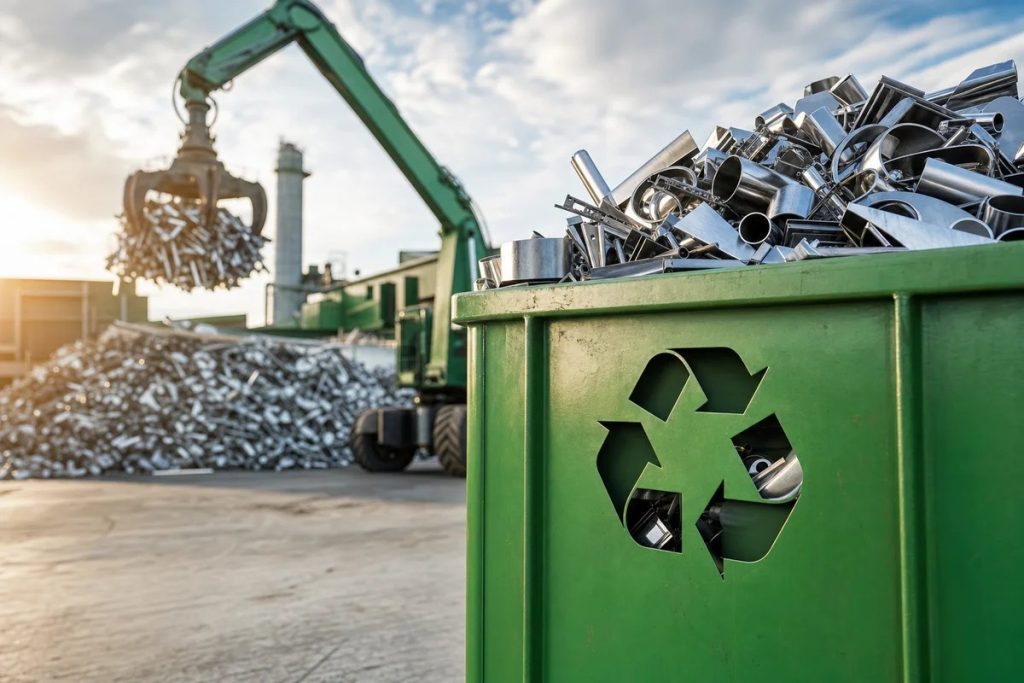
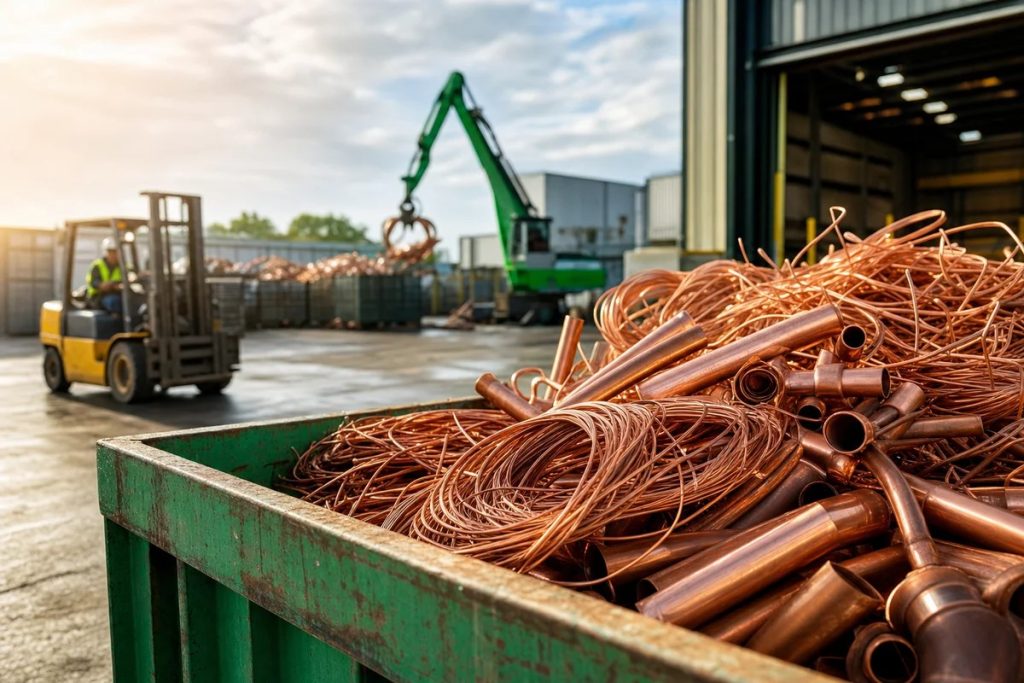
Most scrap metal loads include clean household metal, wire, shelving, and some appliance shells, but attachments, plastic panels, and fluids may need removal first. Larger appliances can trigger extra rules because of refrigerants, motors, or weight limits, and that is where the details matter more than the drive time. Some places pay for scrap metal by weight, while others only accept it as drop-off service, so it helps to know which category you are walking into before you arrive.
Electronics, batteries, and cords
Electronics usually have their own rules, especially for screens, batteries, chargers, and loose cords. We tell readers to ask about data wiping, battery removal, and any fee for monitors or televisions before loading the car. A sorted e-waste pile is safer to handle, easier to check at the gate, and less likely to be refused because one item in the stack needs special processing.
A simple way to compare recycling drop-off near me options
Instead of driving to the closest pin on the map, compare the places that clearly handle your material. Map photos, reviews, and site notes tell you a lot about entrance location, signage, scale access, and unloading flow. We look for the location that makes the trip obvious, not the one that just looks nearest. A place with a clear truck lane, readable instructions, and a simple check-in can save more time than a site that is closer but harder to enter. That is the real tradeoff, convenience versus clarity.
Step 1: Match the load to the right facility
Start with the main material, then search for recyclers near me that handle that category before you think about distance. If your truck has cardboard, metal, and electronics, separate the electronics first so you do not end up at one site that only wants the metal. One load can easily become two stops, and that is better than discovering the mismatch at the gate.
Step 2: Confirm the rules before you go
Call or check the listing for accepted items, ID requirements, fees, and whether there is a public entrance or a truck-only gate. Some recyclers close early for load processing even when the posted hours still show open, so a quick check helps you avoid getting turned away after the drive. We would also look for any note about signage, office location, or which lane you should use when you arrive.
Step 3: Check access, unloading, and wait time
A farther site with a simple drive-through lane can beat a closer yard with tight turns or crowded traffic. Look for notes about scales, unloading help, and whether you stay in the vehicle. If the yard flow is clear, the visit is usually faster and safer, especially if you are hauling a heavy appliance or a stack of loose material that shifts while you wait.
Step 4: Compare convenience against any fee or payout
Free drop-off, paid scrap, and small disposal fees can all be part of the picture, depending on the load. A facility a little farther away can still be the better local recycling facility if it accepts more of what you have, pays for part of it, or avoids a second trip. We would rather spend five extra minutes driving than spend another hour fixing a rejected load.
What your first visit to a local recycling facility is usually like
Your first visit to local recycling facilities usually follows a simple sequence: arrival, check-in or weigh-in, unloading, and then a receipt or confirmation if the site gives one. Bring gloves, a way to secure loose items, and any paperwork the facility asks for, such as proof of address or ID. Receipts matter if you need proof of drop-off later, and a secure load matters if you are carrying sharp or light items that can blow around. One customer shared that the place worked well once the system made sense, but the first visit was confusing because there were no signs, which is why a quick call before you go can save time. If you are planning a first visit to contact us, or any other site, that same rule applies when the entrance is not obvious.
Before you leave home
Sort the load, pull out obvious trash, and separate anything that needs special handling before you leave home. Drain liquids where required, tape battery terminals if the facility asks for it, and cover sharp edges with cardboard or tape. Small prep steps reduce spills, keep the load easier to inspect, and lower the chance that staff sends you back to fix one item.
At the gate and on the scale
At the gate, stop where staff direct you, check in, and wait for the signal to unload. Some places do not have obvious signs, so calling ahead for the entrance and process can matter more than the GPS pin. Follow yard instructions exactly, especially around scales, lane changes, and where to wait after unloading, because moving on your own can slow the line for everyone behind you.
When a recycler nearby is the wrong fit
Move on if the rules are vague, contact details are missing, or the first minute on site feels unsafe. Some items belong at a specialty recycler, a municipal collection event, or a household hazardous-waste site instead of a general drop-off. If the material is delicate, hazardous, or tied to a rule you cannot confirm, a bad fit usually means more driving and a rejected load. We would rather you choose the right facility once than guess and come back later. If the process is unclear, contact us first before the truck is loaded.
Signs you should keep searching
No accepted-item list, no operating hours, or no clear instructions for who can unload are all reasons to keep looking. A hidden entrance or weak signage is especially risky for first-time visitors. If the site cannot explain the process in one phone call or in a clear listing, there are usually better local recycling facilities nearby.
When a specialty recycler is the better choice
Electronics, appliances with refrigerant, batteries, paint, and other controlled materials belong with a specialty recycler or a designated collection program. A general site may refuse the load even if it looks small and manageable. The boundary is simple: if the item has a chemical, battery, screen, or sealed-system issue, start with a specialist.
Questions people ask before they visit recyclers close to me
These are the questions we hear most often before a first trip. Clear answers save time, and they also keep the load from getting bounced at the gate.
Do I need to sort materials before I arrive?
Yes, sorting is usually expected for mixed loads at recyclers close to me. Separate metal, cardboard, and electronics before you unload so the site can send each material to the right area.
Can I bring electronics and metal in the same load?
Yes, you can bring them in the same truck, but you should keep them separated. Many recycling centers near me want electronics apart because batteries, screens, and data handling rules are different from scrap metal.
What if the place does not have signs or a clear entrance?
Call before you arrive and ask where to enter and where to check in. Confirm whether you stop at a scale or office first, because a hidden entrance is a common first-visit mistake.
Should I call ahead for appliances or electronics?
Yes, because appliances and electronics often have separate handling rules. A quick call can confirm refrigerant, battery, or screen fees, and it tells you whether the facility will accept the item at all.
Start with the right local recycler
If you want help figuring out whether your load fits a general drop-off or a specialty site, contact us first. We can help you sort the question before you haul anything across town, and you can reach us through our contact page when you are ready.