
Ogden Metal Recycling for Mixed Aluminum and Steel
July 24, 2026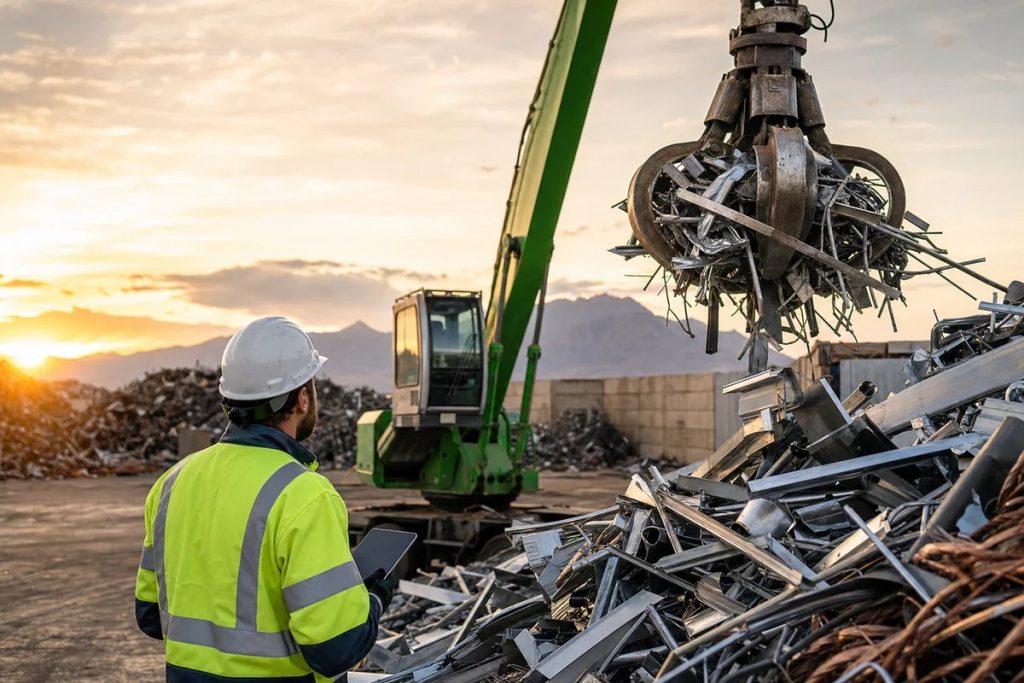
What Layton metal recycling usually covers
This page is about local drop-off and scrap-buying options in Layton, not DIY metal work or demolition advice. If you are clearing out a garage, shop, rental unit, or jobsite, metal recycling in Layton usually starts with common leftovers like remodel debris, old appliances, shop cleanup, fencing, broken tools, and mixed hardware that has been sitting too long. The big difference is simple: cleaner loads are easier to accept, weigh, and pay for than mixed piles with trash attached. If you are sorting before a trip, Clearfield Recycling is the kind of local yard that should be seeing metal, not a load packed with plastic, wood, and loose debris.
That is why it pays to think about the load before you haul it. A few minutes of sorting can make the difference between a quick unload and a pile that needs hand sorting on site. For most people, the goal is not perfection, it is separating obvious scrap from everything that does not belong in the truck.
What local metal recycling in Layton usually accepts
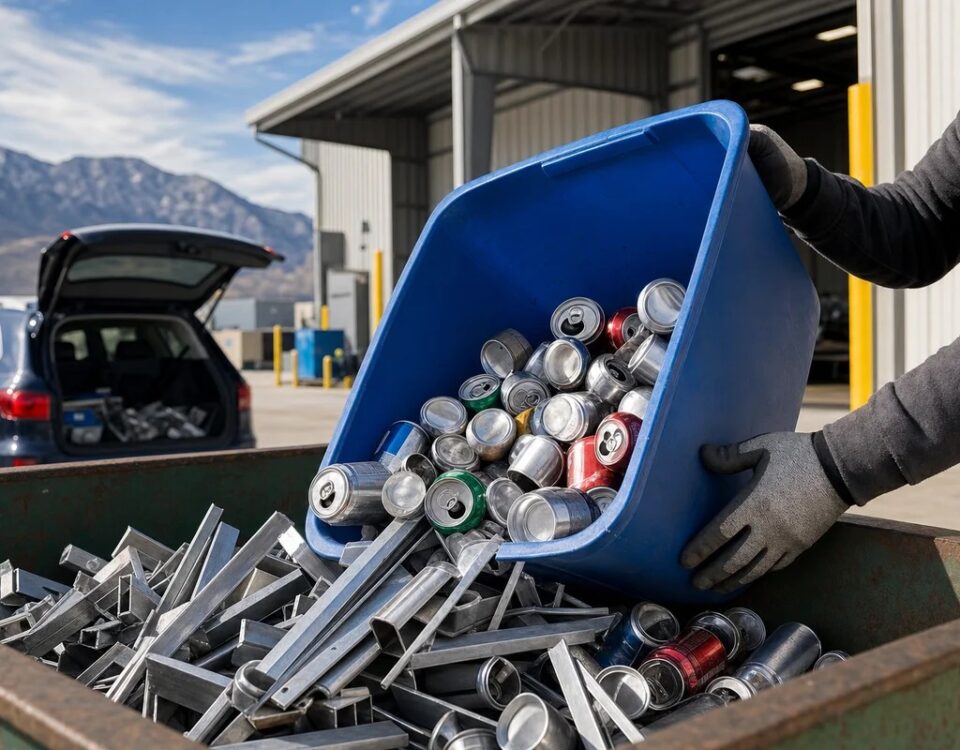
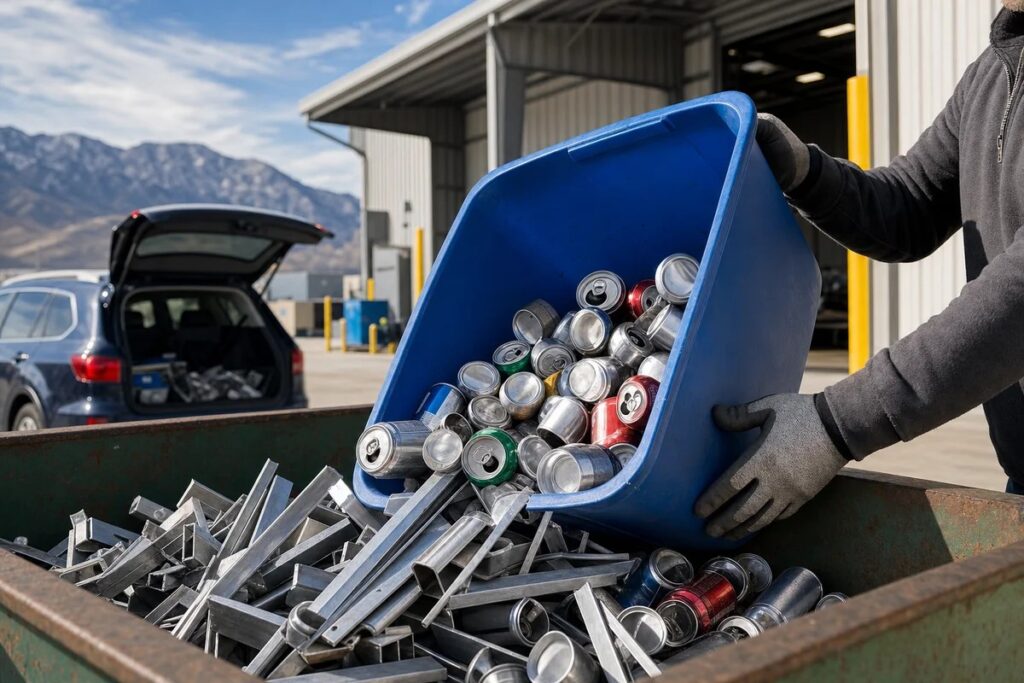
Local metal recycling in Layton usually splits material into two basic groups, ferrous and nonferrous. Ferrous metals are steel and iron, which are magnetic and usually easier to sort. Nonferrous metals include copper, brass, aluminum, and stainless steel, which are handled differently because they are cleaner to process and often more valuable. Common items include appliances, sheet metal, wire, plumbing fixtures, vehicle parts, cans, and old hardware, as long as they are not full of trash, fluids, or restricted components.
Some pieces need special handling or may be refused outright. Batteries, propane tanks, sealed refrigerant units, oil, and other fluids create safety and processing problems, so they should be separated before you leave. A quick check now can save a second trip later, especially if the load came from a repair, cleanup, or teardown project.
Ferrous metal that is usually easiest to bring in
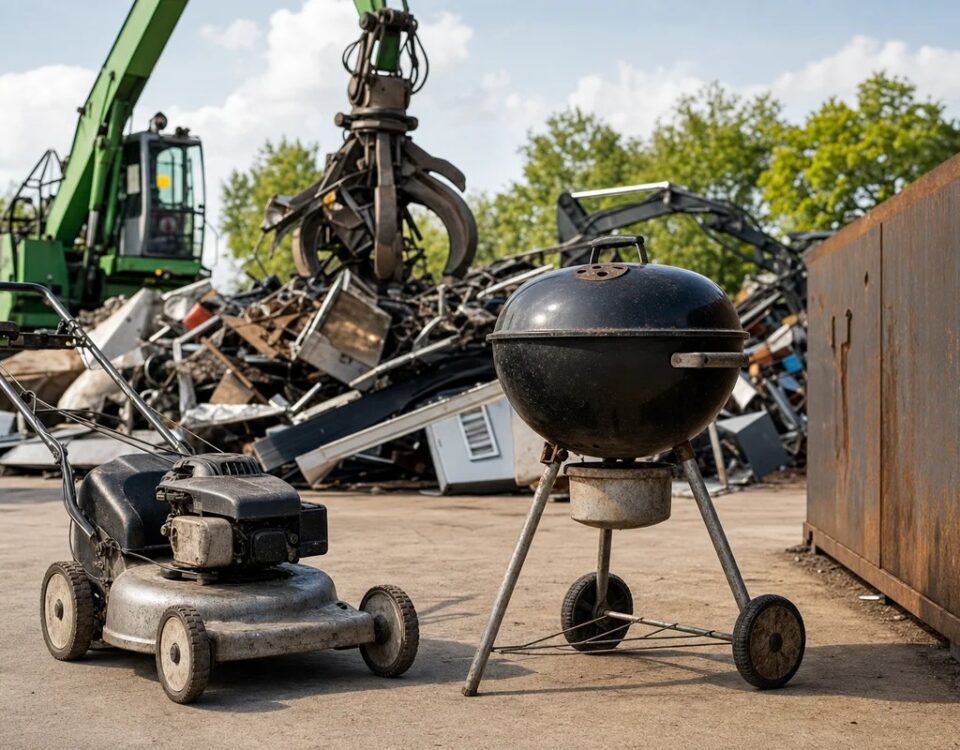
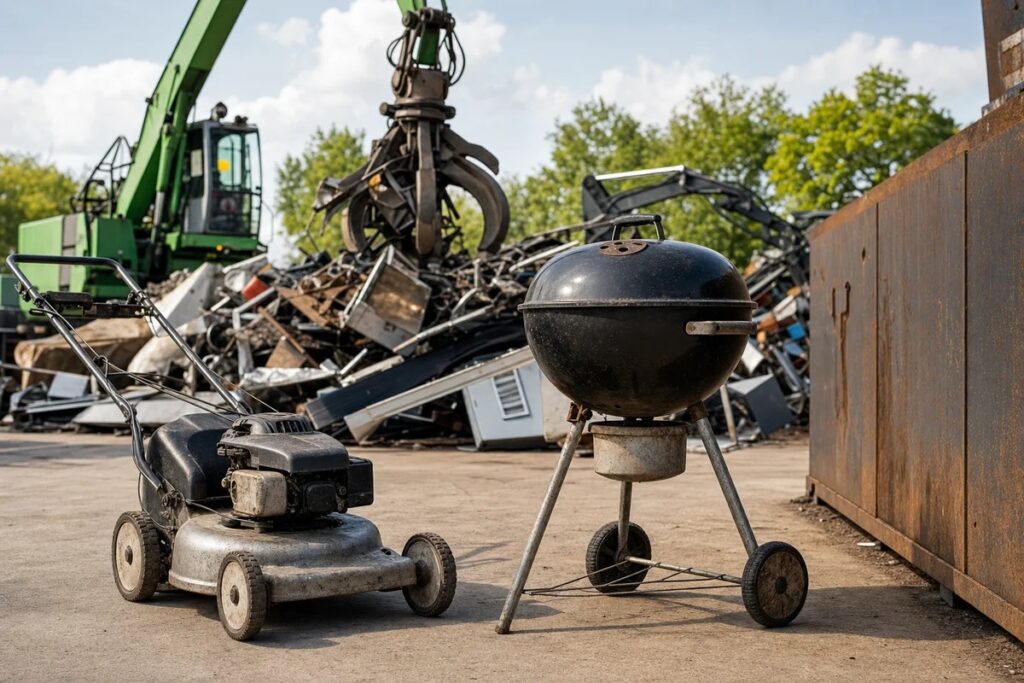
Steel and iron are usually the easiest metals to accept because they are common, magnetic, and simple to separate. Think frames, shelving, rebar offcuts, old appliances, brackets, and other heavy pieces from a cleanup. Even so, ferrous loads still need a quick check for wood, plastic, rubber, and fluids before they go to a yard.
Nonferrous metal that is worth sorting separately
Copper, brass, aluminum, and stainless are usually the pieces people sort out first because they are cleaner and more valuable. Bare wire, tubing, trim, fixtures, and small machine parts are the easiest examples to spot quickly. Insulated wire, painted pieces, and mixed scrap usually need extra sorting if you want a better payout.
How to prep scrap before a metal recycling drop-off
A good prep routine keeps the trip simple. Start by inspecting the load, then remove obvious nonmetal attachments, drain fluids where needed, and separate metals by type. Sharp edges, heavy appliance parts, and loose wire can make loading and unloading harder, so gloves and a clear path matter more than people think. If you have unusual items, mixed demolition scrap, or a load large enough to fill a truck bed or trailer, call ahead before you drive over.
Clearfield Recycling can help you avoid the most common mistake, which is showing up with a pile that still needs major sorting. The better the load is prepped, the faster it moves through scale and intake. You can also review recycling services if your cleanup includes larger material handling or haul-off needs.
A quick prep order that keeps the load cleaner
- Check the piece first, so you know what metal it is and whether it has anything attached.
- Strip off nonmetal parts, like plastic handles, wood panels, rubber feet, and loose trim.
- Sort by type, separating copper from steel, aluminum from iron, and clean wire from mixed scrap.
- Group clean items together, then tie up loose wire so it is easier to handle.
This order helps a yard identify the metal faster and can reduce time spent sorting on site. It also keeps smaller pieces from getting buried under heavier scrap.
What to do with appliances, wire, and mixed scrap
Appliances should be emptied and checked for restricted parts, while wire and mixed pieces are best grouped by metal type if possible. That means pulling off cords, plastic housings, and any leftover nonmetal attachments before you load up. Mixed household scrap can still be recyclable, but cleaner sorting usually makes the trip smoother and the load easier to assess.
What scrap metal buyers in Layton look at before they price a load
Scrap metal buyers in Layton usually look at four things first: metal type, cleanliness, separation, and whether the load is mixed or sorted into grades. Weight is then recorded on a scale ticket or receipt, which matters when you compare one yard to another or check what was counted. Market swings also change what a load is worth, so the same scrap can pay differently from one week to the next.
That is why it helps to know what you are bringing before you go. A sorted load gives the buyer less work, and less work usually shows up in how the material is priced.
Why clean copper, aluminum, and brass pay differently
Nonferrous metals usually bring cleaner payouts because they are easier to process and separate. Bare copper wire is simpler to handle than insulated wire, and clean aluminum is more straightforward than mixed scrap with plastic attached. Extra cleanup means less sorting work for the yard, which is why cleaner pieces are treated differently.
Why a mixed load can lose value fast
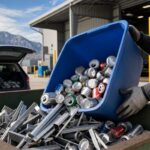
Contamination and sorting labor reduce value when steel, aluminum, plastic, and trash end up in one pile. A bin filled with bolts, wire, and broken household parts is a good example of why a load gets downgraded. The simple rule is this: separating high-value pieces before the trip usually helps more than hoping the yard will sort everything.
How to choose metal recyclers in Layton
When you compare metal recyclers in Layton, start with accepted materials, payment process, and whether they handle residential, contractor, or commercial loads. A reliable local metal recycling yard should have clear rules, visible scale access, and straightforward unloading, because those details tell you how much time the visit will take. If you have a bulky load, pickup can make sense, but check minimum load size, material type, and service area first.
Clearfield Recycling is a sensible first call when you want to avoid a wasted drive. The point is not to guess whether a yard might take your pile, it is to confirm the rules before you burn fuel and time. You can also check the reviews page if you want to see customer feedback before you go.
Questions worth asking before you drive over
Ask what metals are accepted, whether ID or payment rules apply, and if mixed loads are allowed. It also helps to ask about drop-off hours, truck access, and whether the yard weighs by load or by material type. A quick phone call can prevent a wasted trip when the load includes unusual pieces or only a small amount of scrap.
When pickup makes more sense than drop-off
Pickup is useful for oversized appliances, repeated cleanout loads, or anyone without a truck or trailer. It also helps with garage cleanouts, jobsite scrap, and heavy items that are awkward or unsafe to move alone. Before you schedule, confirm load size and whether the service handles the exact materials in the pile.
Questions people ask before they haul metal in Layton
If you are sorting metal for the first time, the boundary cases matter most. The answers below can save you from bringing in the wrong load, or from turning one trip into two.
Can you recycle metal with paint, rust, or grease on it?
Yes, solid metal with light paint or surface rust is usually still acceptable. Heavy grease, sealed fluid, or thick plastic and rubber attachments can change both acceptance and payout, especially on parts from vehicles or appliances.
What should stay out of a scrap metal recycling Layton load?
Batteries, propane tanks, sealed coolant appliances, and hazardous materials should stay out. Pressurized or chemical-filled items need separate handling, so empty anything with fluids or unknown contents before you leave.
Is it worth bringing a small load to a metal recycler near me?
Yes, if the load includes higher-value nonferrous metal like copper, brass, or aluminum. A small pile of low-grade steel is usually better saved until you have enough weight to make the trip efficient.
Ready to clear out metal in Layton?
The simplest next move is to sort the load, pull out restricted items, and choose a yard that accepts the material you actually have. If you have scrap building up in a garage, yard, or jobsite, use metal recycling in Layton before it turns into a bigger cleanup later. If you want help checking a load before you haul it, contact Clearfield Recycling and get the details lined up first.