

Metal Recycling Layton: What to Bring, Sort, and Sell
August 5, 2026
Metal Recycling: What to Bring and How Drop-Off Works
September 22, 2026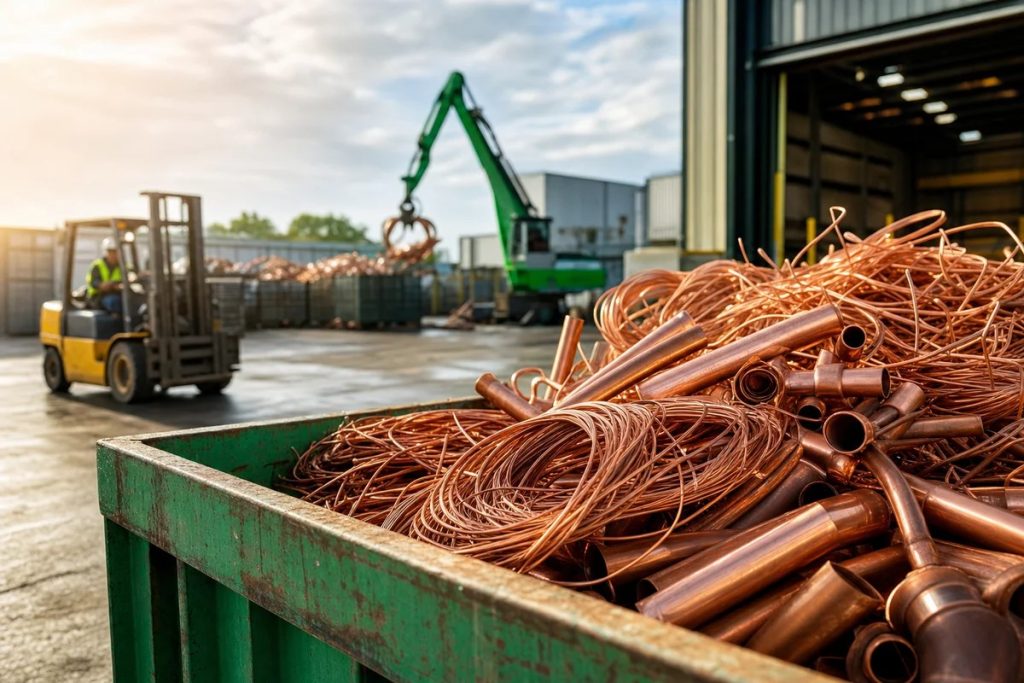
Finding copper recycling near me without wasting a trip
If you are searching for copper recycling near me, a scrap yard or metal recycler that accepts the exact material you have is usually the best local option. A place that takes clean pipe may not want insulated wire, and a buyer that handles plumbing scrap may sort it differently than one that focuses on electrical scrap.
That is why a quick call matters. Ask whether the site takes wire, tubing, clean pipe, mixed scrap, or insulated material, then confirm the hours, ID rules, and any minimum drop-off size before you load the truck. If you are comparing more than one local buyer, compare the accepted material first, not just the headline price.
A simple search plan works better than guessing:
- Check what form of copper you actually have, such as bare wire, pipe, or mixed plumbing scrap.
- Call the copper recycling center near me that looks closest and ask what grades they accept.
- Ask whether they require ID, business account paperwork, or a minimum weight.
- Compare at least two nearby buyers if the load is large enough to justify the drive.
If you are close to our area, Clearfield Recycling is the kind of place you call first, because the right answer depends on the material in your truck, not just the map pin.
What copper scrap recycling places usually take
Many copper scrap recycling yards take common forms such as clean copper wire, tubing, pipe, and mixed plumbing or electrical scrap. Cleaner material is usually easier to sort and process than material with attached contaminants.
That clean versus mixed difference matters. Bare, uncoated copper wire is usually treated more favorably than insulated wire, and clean pipe is usually easier to grade than pipe with solder, paint, or attached fittings. When you are deciding where to recycle copper, the question is not only whether the yard takes copper, but how much cleanup they expect before they weigh it.
| Material | Typical status | What affects value |
|---|---|---|
| Clean bare wire | Usually preferred | Little to no contamination |
| Insulated wire | Often accepted | Plastic coating lowers the grade |
| Clean tubing or pipe | Usually accepted | Fittings, solder, and debris can change the grade |
| Mixed plumbing scrap | Often accepted with sorting | Brass, steel, and other attached metals matter |
Common mix-ups happen too. Copper can be confused with brass or bronze, especially when a part has an aged finish. A recycler may also downgrade a load if it includes heavy solder, paint, insulation, or plastic connectors that belong in another pile.
Get copper ready before you head out
Sorting before you leave saves time at the scale and makes the load easier for the buyer to inspect. Separate copper by type, keep clean material apart from dirty material, and do not bury the better grade under mixed pieces. That helps the recycler decide quickly and helps you avoid a surprise downgrade after you have already made the drive.
Remove what you can without wasting a lot of time. Take off nonmetal attachments, loose plastic connectors, excess dirt, heavy tape, and anything else that does not belong in the metal pile. If a piece is sharp, wear gloves. If wire is tangled, coil it neatly so it is easier to unload. Keep wet scrap separate from clean scrap if you can, because moisture and grime can make a pile harder to sort.
Sort the load the way scrap copper buyers near me expect
Cleaner loads are easier to weigh, easier to quote, and less likely to be downgraded on inspection. Keep bare wire separate from insulated wire, and keep tubing separate from mixed plumbing pieces so the buyer can identify each grade fast.
A quick photo or short description before arrival can save you a wasted trip. If you are unsure, send the recycler a picture and ask whether the load matches what they take.
Remove the contamination that lowers the offer
Solder, steel fasteners, heavy paint, rubber gaskets, and excess nonmetal debris usually lower the offer. Some yards accept those attachments, but they may pay differently by grade, so a quick call before you strip anything valuable is smart.
A useful rule of thumb is simple: if a part is mostly metal, keep it with the copper load. If it is mostly another material, separate it first. That keeps your pile cleaner and makes copper scrap recycling more predictable.
How a copper recycling center near me handles drop-offs
Most drop-offs follow the same basic flow, whether you are bringing wire from a remodel or pipe from a plumbing job. You arrive, the yard checks the material, the load gets weighed, the grade gets reviewed, and payment follows if everything matches the accepted category.
At Clearfield Recycling, that kind of check-in works best when the load is already sorted. Mixed metals, insulated wire, or bulky plumbing pieces can take longer to review, and the right answer may depend on whether the yard can process that exact mix on that day.
There are a few practical rules that can affect the visit. Some recyclers ask for ID, some have business hours that do not allow late drop-offs, and some set minimum quantities for certain grades. Payment can also differ by location, so ask ahead whether the yard pays by cash or check, and whether there are any special rules for larger loads.
Calling before you leave matters most when the material is unusual. If you have a bundle with mixed metals, insulated wire, or heavy fittings, a short conversation can tell you whether the copper recycling center near me is the right stop or whether another yard is better suited for the load.
What scrap copper buyers near me look at when they make an offer
The offer depends more on grade and cleanliness than on weight alone. Clean bare copper is usually treated differently from mixed or dirty scrap because the buyer can process it faster and with less sorting loss.
Market conditions change, so if you have enough copper to make the trip worthwhile, compare a couple of local buyers. The best headline price does not always win if the yard is far away, charges handling fees, or only accepts smaller loads that do not fit what you have.
That is why location matters almost as much as the quote. A closer copper scrap yard near me may pay slightly less on paper but still make more sense once fuel, unloading time, and minimum load rules are factored in. For bigger piles, the difference between a clean grade and a mixed grade can matter more than the difference between two nearby buyers.
If you are sorting on your own, keep the process simple. Clean copper goes in one pile, insulated or attached material goes in another, and anything questionable gets set aside for a quick call before you drive.
Questions people ask before searching copper recycling near me
What copper is usually accepted at a scrap yard?
Most scrap yards accept clean wire, tubing, pipe, and other mostly copper scrap. Loads with heavy mixed metal, dirt, or insulation are more likely to be downgraded or rejected, especially if the material cannot be sorted quickly.
Do I need to strip insulation from copper wire before recycling it?
No, not always. Bare wire is usually treated differently from insulated wire, and some yards will take insulated wire as-is while others prefer it stripped before drop-off.
Can I bring copper pipe with solder or fittings attached?
Yes, but attached fittings and solder can change how the load is graded. If you can remove brass fittings or steel connectors without damaging the pipe, do it before you bring the load in.
What would make a recycler turn copper away?
Too much nonmetal contamination, unsafe materials, or a load that does not match the yard’s accepted grades can lead to rejection. Copper mixed heavily with insulation, dirt, sealed components, or other scrap the yard cannot process is the usual problem, so call ahead with photos if the load is unusual.
Before you drive, call two nearby recyclers, or send one photo to the yard you plan to use. That small step is often enough to tell you whether the trip is worth it, and it keeps you from unloading material that belongs somewhere else.
Send the photo before you load the truck
If you are sorting copper right now, the fastest path is to confirm the grade before you leave. That keeps the trip focused, helps you compare local buyers, and gives you a clearer answer on whether you should head to a scrap copper buyer or a different copper recycling center near me.
When you want a local place to start, Clearfield Recycling is a practical first call for copper recycling near me questions, especially when you are not sure whether your load counts as clean copper, mixed scrap, or insulated material. Send a photo, ask what they accept, and compare it with one other nearby buyer if the load is large enough to shop around.
Contact our team at Clearfield Recycling before you head out, and you will know whether your copper belongs on the scale today or needs a little more sorting first.