

Lawn Mower Recycling Near Me: What the Yard Wants
June 24, 2026
Metal Recycling Layton: What to Bring, Sort, and Sell
August 5, 2026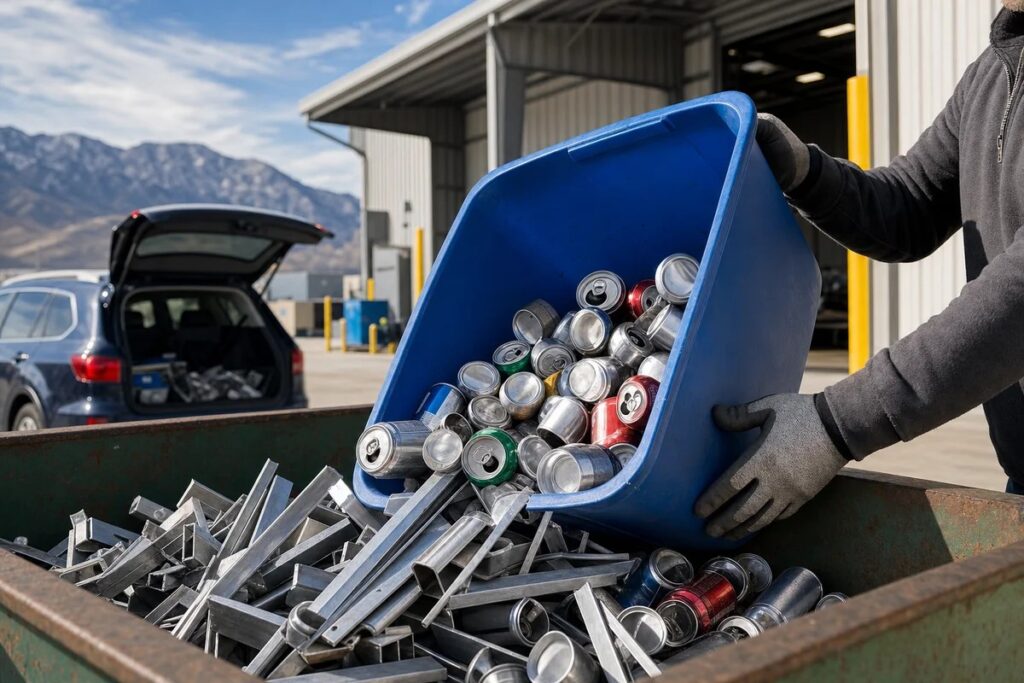
What happens when you bring aluminum and steel to Ogden metal recycling
At Clearfield Recycling, the process was straightforward: we weighed the load, separated aluminum from steel, and got paid based on material type and weight. That is the basic flow for metal recycling in Ogden, and it is why the first sort matters so much.
The quick rule is simple. For household scrap, a magnet is a fast check: steel is usually ferrous and sticks, while aluminum is non-ferrous and does not. That matters because the two materials are processed and priced differently.
We saw that same pattern with household loads all the time, cans, siding, refrigerator shells, stove frames, and other unwanted scrap. Cleaner separation usually moved faster, and it also made the payout easier to understand because there was less hand sorting at the scale. If you are unsure what belongs in a load, our what we buy page is the best place to start.
The five stops between your tailgate and your payout
Most scrap metal recycling in Ogden follows the same five-stop path, scale, sort, unload, reweigh, and payout. The two biggest slowdowns are mixed materials that need hand sorting and appliances or scrap with fluids, sealed components, or unsafe attachments. If you want the broader service scope, our recycling services page explains the kinds of loads that usually move through quickly.
-
1. Check in and hit the scale
Pull in with the load visible and expect the first weigh-in to take about 5 to 10 minutes. A photo ID or vehicle check may be required, and tarps, loose trash, or hidden items can slow the first stop and trigger a second round of questions.
-
2. Sort aluminum from steel before unloading
The magnet test is the fast rule: aluminum stays with non-ferrous material, steel goes with ferrous material. Pre-sorting usually saves 10 to 15 minutes on site, while mixed piles force the yard to slow down and hand-sort before anything moves forward.
-
3. Drop each metal into the right pile
Put aluminum in the non-ferrous area and bulky steel items in the ferrous pile so the yard can batch them correctly. Loose trash, plastic, and other non-metal pieces should come off before unloading whenever it is safe to do so, especially on siding, cans, refrigerator shells, and stove frames.
-
4. Get the final weight and payout
The second weigh determines the payment amount, and contamination or mixed materials can change the final number. Most yards pay cash, check, or another standard yard payment method, depending on policy, and you should ask for a receipt before you leave.
-
5. Leave with notes for the next load
Write down what was accepted, what was rejected, and one prep change that would save time next time. A quick cleanup note, like removing plastic handles or separating cans from siding, helps the next load move through the scale and sort process more smoothly.
How we handled a mixed aluminum and steel load
When our team handled a mixed Ogden scrap metal recycling load, we separated the aluminum before we reached the scale and kept the steel together as its own ferrous load. That meant the refrigerators, stoves, and other bulky steel pieces stayed grouped, while the non-ferrous aluminum stayed clean and ready to route.
Once we arrived, the visit moved quickly because the material was already organized. We got weighed, unloaded into the right piles, then reweighed for payout without a long hand-sorting step in the middle.
That is the part people usually notice most. When the load is ready before it hits the yard, the process feels less like waiting and more like a clean handoff, which is exactly what we wanted for that visit at Clearfield Recycling.
What changes the payout on aluminum versus steel
At an Ogden metal recycling center, payout usually comes down to three things in order, material type first, contamination level second, and current market price third. Clean aluminum and coated or mixed aluminum do not price the same, and steel appliances usually pay mostly by weight because they are heavy and common.
That is why clean aluminum cans or siding often bring a different per-pound rate than painted or mixed aluminum. Steel items like refrigerators and stoves still belong in the pile, but plastic, rubber, fluid, screws, insulation, mixed alloys, and trapped trash can all reduce the final number.
Aluminum and steel at a glance
| Metal type | Common household items | Magnet response | What drives the value |
|---|---|---|---|
| Aluminum | Cans, siding, trim, lightweight frames | Does not stick | Cleanliness, alloy mix, and weight |
| Steel | Refrigerators, stoves, shelving, heavy scrap | Usually sticks | Weight, size, and how much non-metal is attached |
Even when steel pays less per pound, it still makes sense to bring because the weight adds up fast. Clean, sorted aluminum usually earns more on a per-pound basis, which is why a little prep before the trip can change the payout more than people expect.
How to prep your metal so the yard does less sorting
For metal recycling in Ogden, the easiest wins happen before you leave the driveway. Remove batteries, propane tanks, fluids, wood, plastic, and loose trash before arriving, because those are the items most likely to delay or reject a load.
Bring gloves, a tarp or bins for sorting, photo ID if required, and a truck or trailer that can handle appliance weight. At Clearfield Recycling, that kind of prep kept the visit cleaner because the yard spent less time flagging out obvious contamination.
Strip the easy contamination first
Do a quick magnet test at home, then pull off anything loose, obvious, and safe to remove. Small screws, caps, cords, and scraps of plastic are the details that slow sorting when they ride in with the load.
Leave unsafe dismantling to the yard
Do not cut refrigerant lines, open compressors, or force apart sealed tanks and pressurized parts. That kind of dismantling can create safety issues and can turn a simple unload into a rejected load.
Items that usually need extra care
Batteries, propane cylinders, fuel containers, and electronics with mixed materials should be separated before you arrive. Those items are common household and garage mistakes, and they are often the first things that stop the line while the load gets flagged out.
Questions people ask before they unload scrap metal
These are the decision points we hear most often before a first visit to a scrap yard. The short answers below are built for fast loading decisions, not guesswork at the gate.
Can aluminum and steel go in the same truck load?
Yes, but the load moves faster when the metals are separated into their own piles before the scale. Mixed loads usually add a second sorting step and can delay payment.
What makes a refrigerator or stove take longer to process?
Fluids and sealed components are the main reasons appliances need extra handling. Refrigerant lines, compressor oil, and insulation are the usual slowdowns, even though bulky steel is still accepted in the ferrous pile.
Will painted or dirty aluminum still be accepted?
Yes, painted or dirty aluminum is often accepted, but the value usually drops. Clean aluminum can earn a better rate than coated or mixed aluminum because the yard spends less time cleaning and separating it.
Do you need to call ahead before you drive in?
No for a small sorted household load, yes if you have more than one appliance or anything pressurized. If your truck has a large mixed pile, calling ahead helps the yard route the load faster and avoid surprises at the scale.
If your load is ready and you want a practical stop instead of a confusing one, reach out to Clearfield Recycling and bring your aluminum, steel, or mixed household scrap through with less backtracking and a clearer payout path.